
Dishwasher Buying Guide
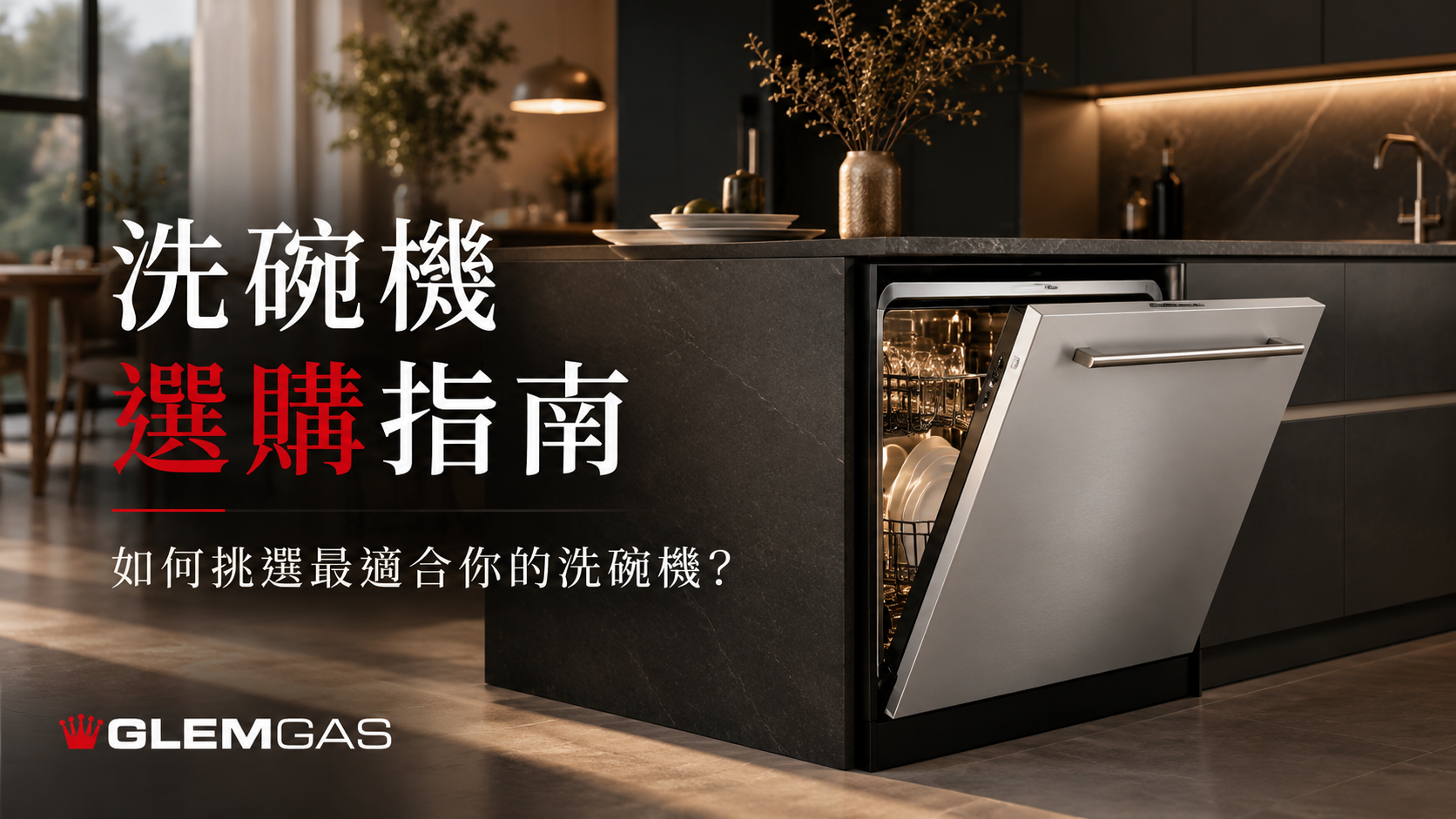
Dishwasher Buying Guide | Find the Right Dishwasher for You
Thinking about buying a dishwasher but not sure how to choose the right one? From freestanding and built-in dishwashers to capacity, dimensions, cleaning performance, and drying features, every detail plays an important role in your overall experience and everyday convenience.
The GlemGas Dishwasher Buying Guide helps you explore the benefits of dishwashers, understand the differences between models, and discover five key factors to consider when choosing one. Find the perfect dishwasher for your needs based on your household size, kitchen space, and daily usage habits.


How to Choose a Dishwasher? 5 Key Factors to Consider
Find the perfect dishwasher that truly meets your needs and fits your daily lifestyle.
1. Is a Dishwasher Worth Buying? Why Are More Families Choosing Dishwashers?
A dishwasher is more than just an appliance for cleaning dishes—it is an essential kitchen companion that improves efficiency and reduces the burden of everyday household chores. For busy professionals, dual-income households, and families who cook frequently, a dishwasher takes care of the cleanup after meals, giving you more time to enjoy life.
By selecting the appropriate wash cycle and arranging dishes properly, a dishwasher uses spray arms and specialized cleaning programs to effectively clean tableware, reducing the need for time-consuming handwashing. Some models also feature high-temperature washing and hot-air drying, making dishwashing and drying more convenient and efficient.
2. What’s the Difference Between Freestanding and Built-in Dishwashers?
Freestanding Dishwasher
Freestanding dishwashers are ideal for households that prefer greater flexibility in kitchen layouts or want to avoid major modifications to existing cabinetry. When choosing a freestanding dishwasher, it is important to check the available installation space, water supply and drainage connections, and electrical requirements. Be sure to leave sufficient clearance for opening the dishwasher door and convenient daily operation.
Built-in Dishwasher
Built-in dishwashers can be seamlessly integrated into kitchen cabinetry, creating a clean, cohesive, and streamlined appearance. They are ideal for new home designs, kitchen renovations, or households looking to achieve a fully integrated kitchen layout. Before purchasing, it is important to check the cabinet dimensions, dishwasher height, and installation requirements to ensure a proper fit.
3. Five Key Factors to Consider When Choosing a Dishwasher
Capacity and Household Size
Choose the right dishwasher capacity based on your household size, meal frequency, cookware dimensions, and the number of dishes used each day.
Kitchen Dimensions and Installation Space
Measure the width, height, and depth of the designated installation space, and ensure that the water supply, drainage connections, and electrical outlets meet the dishwasher’s installation requirements.
Cleaning Performance and Wash Cycle Options
Compare spray arm configurations, wash cycle options, intensive zone washing features, and cookware cleaning performance to choose a dishwasher that best suits your daily cooking habits.
Drying Efficiency and Dish Storage Features
Evaluate hot-air drying, drying methods, and dish storage features based on your needs, while also considering the operating requirements and proper maintenance procedures.
Brand After-Sales Service and Warranty
Check the product’s warranty coverage, customer support channels, repair services, and spare parts availability to ensure greater peace of mind throughout long-term use.
4. Which Type of Dishwasher Is Best for Different Households?
Small households or couples can choose a suitable dishwasher based on their daily dishwashing needs, kitchen size, and washing frequency. A dishwasher with the largest capacity is not always necessary.
For households of three to four people who cook frequently, it is recommended to consider the rack configuration, available space for pots and pans, and flexibility of wash cycle options. For larger households with five or more members, high-capacity dishwashers may be a better choice, offering greater flexibility for arranging plates, cookware, and tableware of different sizes.
The number of place settings indicated for a dishwasher serves as a general reference for its capacity. The actual number of dishes it can accommodate may vary depending on the size of plates, the shape of cookware, and how items are arranged inside the dishwasher.
5. How Can a Dishwasher Make Everyday Kitchen Life Easier?
When choosing a dishwasher, long-term convenience is just as important as price and appearance. For example, a three-tier rack design provides greater flexibility for arranging dishes and tableware, while multiple spray arms help ensure thorough cleaning across different areas. Additionally, hot-air drying makes it easier to dry dishes after each wash, adding greater convenience to everyday kitchen routines.
For example, selected GlemGas dishwasher models offer large capacities, multiple wash cycle options, and advanced drying features. You can compare these functions based on the specifications of each model to find the one that best suits your needs. With a GlemGas dishwasher, your time after meals can be spent on more than just washing dishes—giving you more precious moments to spend with your family and enjoy life.
Frequently Asked Questions About Dishwashers (FAQ)
Here are some things you may want to know before buying a dishwasher.
Q1. Does a Dishwasher Use More Water Than Handwashing?
Not necessarily. Water consumption depends on the dishwasher model, wash cycle, and your handwashing habits. Some dishwashers with water-saving cycles may use less water than washing dishes by hand with the tap running continuously. We recommend checking the water consumption per cycle specified in the product specifications.
Q2. Do Dishes Need to Be Dried Manually After a Dishwasher Cycle?
It depends on the dishwasher’s drying technology, the material of the dishes, and how they are arranged. Models equipped with hot-air drying can help dry dishes more effectively. However, water droplets may still remain on plastic items or in recessed areas.
Q3. Can a Dishwasher Clean Pots and Pans?
Some dishwashers can clean dishwasher-safe pots and pans. However, it is important to check the cookware material and follow the manufacturer's cleaning recommendations. Cast iron cookware, certain non-stick pans, and cookware made from special materials may not be suitable for dishwasher use.
Q4. What Should You Consider Before Installing a Dishwasher?
Before installation, check the width, height, and depth of the designated space, as well as the water supply, drainage connections, electrical requirements, and clearance needed to open the dishwasher door. For built-in dishwashers, it is recommended to confirm the appliance dimensions and installation diagrams before designing or installing kitchen cabinetry.
Q5. Does a Dishwasher Require Regular Cleaning and Maintenance?
Yes. Regular cleaning and maintenance are recommended according to the product manual. This includes cleaning the filter, checking the spray arms, and wiping the door seals. Using appropriate cleaning products and following the recommended maintenance procedures can help maintain optimal cleaning performance.
Not Sure Which Dishwasher Is Right for You?
Whether you have questions about dishwasher dimensions, capacity, installation requirements, or product feature comparisons, feel free to contact the Elite Household customer service team. Our team is here to help you explore your options and find the dishwasher that best suits your needs.
Elite Household Customer Service Hotline: 0800-707-168 | Official LINE Account: @ehttw